.png)
Best Airbnb Amenities in Toronto Guests Value Most in 2026

A Toronto Airbnb can have a skyline view, a sleek sofa, and a spotless photo gallery, but guests still judge the stay by smaller moments: getting in without friction, sleeping well, making coffee easily, and drying wet boots after a slushy walk down Queen Street.
In 2026, the best amenities are less about novelty and more about comfort, speed, and trust. Toronto guests often arrive with packed schedules. Some are here for work, some for family visits, concerts, sports, medical appointments, university tours, or a weekend of food and neighbourhood hopping. They value amenities that make the trip feel easy from the first hour.
The strongest listings usually cover four needs well: arrival, sleep, daily routines, and local convenience.
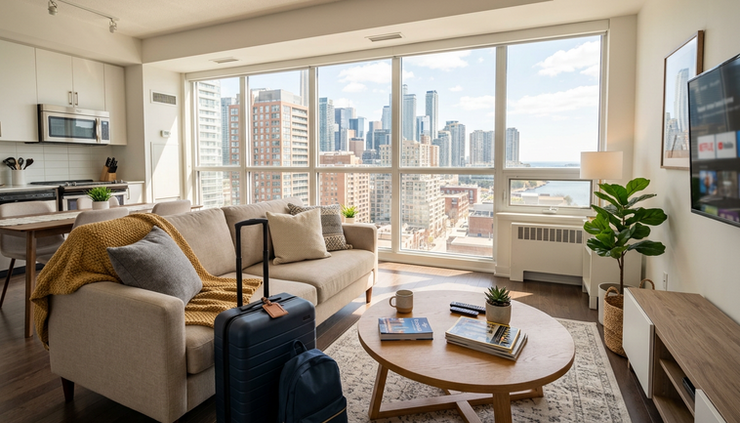
Guests value friction-free arrival more than fancy extras
The first amenity is not always something guests touch. It is the feeling that arrival will be simple.
Toronto trips often involve timing pressure. Guests may land at Pearson, take the UP Express, arrive late after a Blue Jays game, or try to check in between meetings and dinner reservations. If entry is confusing, the whole stay starts poorly.
Strong arrival amenities include:
Self check-in A smart lock, keypad, or secure lockbox gives guests flexibility. It also reduces back-and-forth messages when flights are delayed.
Clear building access instructions This matters in Toronto condos, where guests may need elevator details, concierge rules, parking entry steps, or fob instructions.
Luggage drop-off options Not every host can offer this, but when possible, it helps early arrivals and late departures. If it is not available, a short note with nearby luggage storage options can still reduce stress.
Fast responses during check-in hours Guests do not expect constant conversation, but they do expect help when they are standing outside with bags.
Reliable lighting at the entrance A well-lit porch, hallway, or entry area makes late arrival feel safer and easier.
The best hosts test their own check-in flow as if they were tired, carrying luggage, and reading instructions on a phone in cold weather. If the steps still feel clear, guests will feel it too.
A useful rule: anything that prevents a “where do I go?” message is an amenity.
Sleep quality is still the amenity guests remember most
A guest may book for location, but they review the sleep.
Toronto travel can be tiring. Days run long, especially for visitors walking between transit stops, museums, waterfront trails, shops, and late dinners. If the bed is average, guests may forgive it. If the sleep is bad, they rarely forget it.
The most valued sleep amenities are practical:
Amenity | Why guests care |
A supportive mattress | It affects the whole stay, not just bedtime |
Quality pillows in different firmness levels | Guests have different sleep habits |
Blackout curtains or shades | Condo lights, streetlights, and early summer sun can disrupt sleep |
Quiet fan or white noise machine | Helpful in dense neighbourhoods and older buildings |
Extra blankets | Toronto weather can shift quickly, especially in spring and fall |
Clean, breathable linens | Guests notice texture, smell, and freshness right away |
Blackout curtains deserve special attention. Many Toronto rentals sit near bright streets, streetcars, condo towers, or commercial strips. A stylish sheer curtain may photograph well, but it often fails at night.
Noise control also matters. Hosts cannot change a lively King West block or a streetcar route, but they can be honest in the listing and provide small comforts. A fan, earplugs, rugs, soft-close doors, and weather stripping can make a real difference.
For families, sleep quality includes the children too. A crib, playpen, room-darkening shades, and a washable mattress protector are not glamorous, but they are booking-friendly.

Everyday basics beat gimmicks in a Toronto stay
Guests value amenities that fit the way they actually live during a trip. That usually means food, laundry, charging, temperature control, and bathroom comfort.
A hot tub might catch attention, but a working kettle, sharp knife, and enough towels may earn the better review.
Kitchen amenities guests actually use
Toronto visitors often combine restaurant meals with simple food at the rental. They may bring leftovers from Kensington Market, buy fruit from a nearby grocer, or make breakfast before heading to the AGO.
Useful kitchen amenities include:
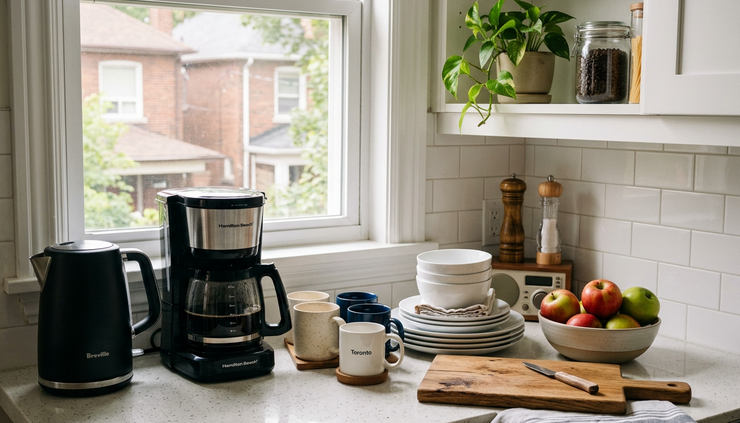
A coffee maker that is easy to understand
A kettle, especially for tea drinkers
Basic cookware in good condition
A sharp chef’s knife and cutting board
Olive oil, salt, pepper, and a few simple spices
Microwave-safe dishes
Food storage containers
Wine opener and bottle opener
Enough plates, bowls, mugs, and cutlery for the stated guest count
Coffee matters more than many hosts think. It does not need to be elaborate. A clean drip machine, French press, Nespresso-style machine, or pour-over setup can all work if instructions are clear and supplies are stocked.
Bathroom amenities that signal care
Bathrooms shape trust. If the bathroom feels neglected, guests question the rest of the home.
The basics should feel generous, not rationed:
Plenty of towels
Hand soap
Shampoo, conditioner, and body wash
Hair dryer
Good ventilation
Makeup remover cloths or dark towels
Extra toilet paper
A clean plunger and toilet brush, stored discreetly
Small details help in a city where guests may arrive after long travel days. Hooks for towels, a shelf for toiletries, and a non-slip bath mat make the room easier to use.
Laundry and drying space matter in Toronto weather
Toronto weather makes laundry more valuable. Summer can be humid. Winter brings slush. Spring and fall can mean rain, wind, and surprise temperature swings.
In-suite laundry is a strong amenity, especially for longer stays, families, and business travellers. If in-suite laundry is not available, guests still appreciate:
Drying rack
Iron or steamer
Laundry hamper
Stain remover
Clear directions to nearby laundry services
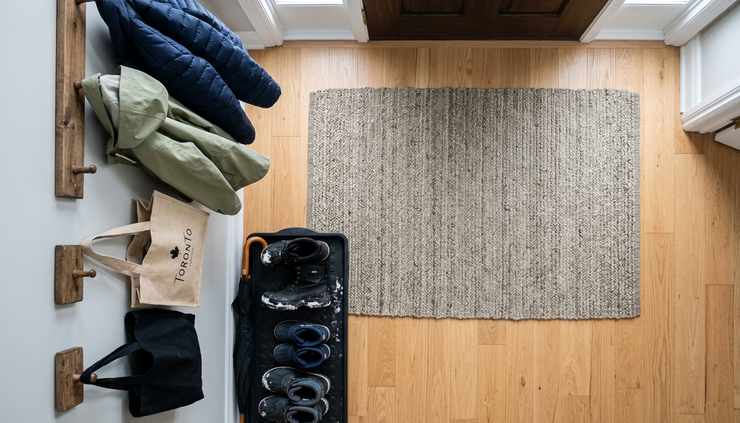
A simple entry mat and boot tray are also underrated. They protect the unit and help guests manage wet shoes, umbrellas, and winter gear.
Connectivity and comfort decide longer bookings
By 2026, Wi-Fi is not a bonus. It is part of the stay.
Guests use it for work calls, streaming, trip planning, restaurant reservations, maps, ride shares, and keeping kids entertained. Weak internet creates frustration fast, especially when the listing claims to support longer stays.
Hosts should treat Wi-Fi as a core utility. That means:
Listing the internet speed if it has been tested
Placing the router in an open area when possible
Providing the network name and password in more than one place
Restarting or testing equipment between stays when issues come up
Offering enough outlets and charging points near beds and seating
A dedicated work area can help, but it does not need to look corporate. A comfortable chair, good lighting, nearby outlet, and stable surface are enough for many guests. Avoid overselling a tiny console table as a full workspace.
Temperature control is just as important. Toronto has cold winters, humid summers, and shoulder seasons where buildings can be slow to switch between heating and cooling. Guests value clear instructions for thermostats, fans, air conditioning, and windows.
If the unit is in an older building or a condo with seasonal HVAC limits, say so plainly in the listing. Guests can handle limits better than surprises.
Entertainment should be simple
Most guests do not need a loaded media room. They want easy options at the end of a day.
Useful entertainment amenities include:
Smart TV with clear instructions
Guest mode or easy sign-out for streaming apps
A few board games or cards
Bluetooth speaker at low volume
Local guidebook with nearby food, transit, parks, and grocery options
The guidebook can be digital or printed. The key is to make it specific. “Great coffee nearby” is helpful only if it says where, how far, and why it is worth visiting.
Toronto-specific amenities guests notice
Toronto is a neighbourhood city. A stay near the waterfront feels different from a stay in the Annex, Leslieville, Yorkville, Parkdale, or the Entertainment District. The best amenities reflect the location.
Transit guidance helps guests move with confidence
Many visitors will use the TTC, walk, bike, or combine transit with ride shares. A short transit note can save guests time.
Include:
Nearest subway, streetcar, or bus stop
Typical walking time to transit
Presto card basics
Closest bike share station if nearby
Parking rules if guests drive
Parking deserves clear language. In Toronto, parking can be a major source of stress. If a listing includes parking, explain the spot size, garage height, permit needs, and entry instructions. If it does not include parking, suggest realistic nearby options without promising availability.
Seasonal amenities add real value
Toronto has distinct travel seasons, and amenities should change with them.
Season | Amenities guests appreciate |
Winter | Extra blankets, boot tray, coat hooks, salt for icy steps, reliable heat |
Spring | Umbrella, entry mat, drying rack, allergy-friendly cleaning habits |
Summer | Air conditioning, fan, blackout shades, cold water pitcher, bug screens |
Fall | Throw blankets, warm lighting, rain-friendly entry setup |
A few seasonal items can make the home feel thoughtful without adding much cost.
Family, pet, and accessibility features can set a listing apart
Not every listing needs to serve every guest. The mistake is claiming broad suitability without the amenities to support it.
For families, helpful features include a playpen, high chair, plastic cups and plates, outlet covers, and a bathtub if available.
For pet-friendly stays, guests value washable throws, food and water bowls, waste bags, and clear house rules. Pet amenities should protect both the guest experience and the property.
For accessibility, be precise. Instead of saying “accessible,” describe the actual features: elevator access, step-free entry, doorway width where known, grab bars, shower type, bed height, and nearby curb or parking conditions. Clear details help guests decide if the space works for them.
The amenities that often do not pay off
Some amenities look appealing in a listing but add little value if the basics are weak.
Be careful with:
Overly complex smart home systems
Decorative appliances guests will not use
Cheap welcome baskets instead of quality essentials
Too many scented products
Fragile decor that makes guests nervous
Exercise gear without enough space to use it
Luxury claims that the property cannot support
Scent is a common issue. A lightly fresh space is good. Strong fragrance can bother guests with allergies or sensitivities. Clean should smell like clean, not perfume.
The same goes for smart devices. A smart thermostat, lock, or speaker can be useful, but only if guests understand it quickly. If an amenity needs a long explanation, it may not feel like an amenity.
A practical amenity checklist for 2026
The best approach is to build from essentials to extras. Before adding anything decorative or niche, make sure the core stay works well.
A strong Toronto Airbnb in 2026 should include:
Reliable self check-in
Clear building and parking instructions
Fast, stable Wi-Fi
Comfortable mattress and pillows
Blackout curtains in sleeping areas
Enough towels and linens
Well-stocked coffee and tea setup
Basic cooking tools
Clear heating and cooling instructions
Smart TV or simple entertainment option
Entry mat, hooks, and boot tray
Laundry access or drying supplies
Local transit and neighbourhood guide
Seasonal items matched to Toronto weather
Hosts do not need to buy every possible feature. A compact studio near the subway will have different priorities than a family home in the east end. What matters is matching amenities to the guest, the neighbourhood, and the length of stay.
The best Airbnb amenities in Toronto guests value most in 2026 are the ones that remove friction. A smooth arrival, a quiet night, a good shower, hot coffee, strong Wi-Fi, and a dry place for boots will beat flashy extras most of the time.
Make the stay easier than guests expected. That is what earns better reviews, repeat bookings, and fewer messages asking where things are.


Comments